Infrastructure
Garbage Transfer Station
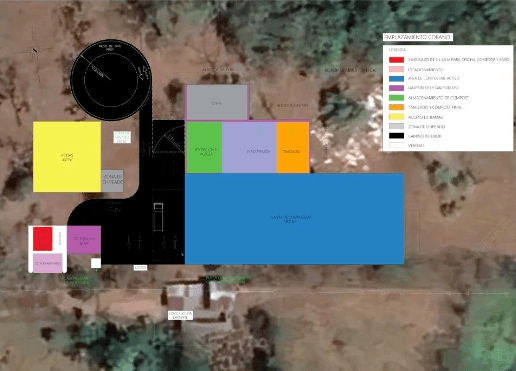
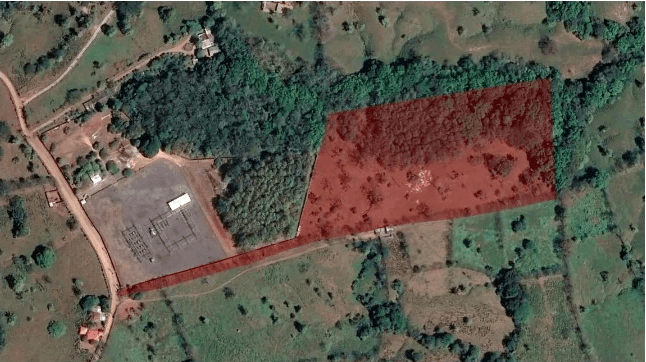
A multi-stakeholder project, we are building a garbage transfer station in Cobano, so that our local garbage trucks can move faster and more efficiently in handling our waste. This project is setting the groundwork for future recycling and composting initiatives.
A multi-stakeholder initiative, we are transforming one of our community’s largest issues: how we manage and deal with garbage, waste, and recycling.
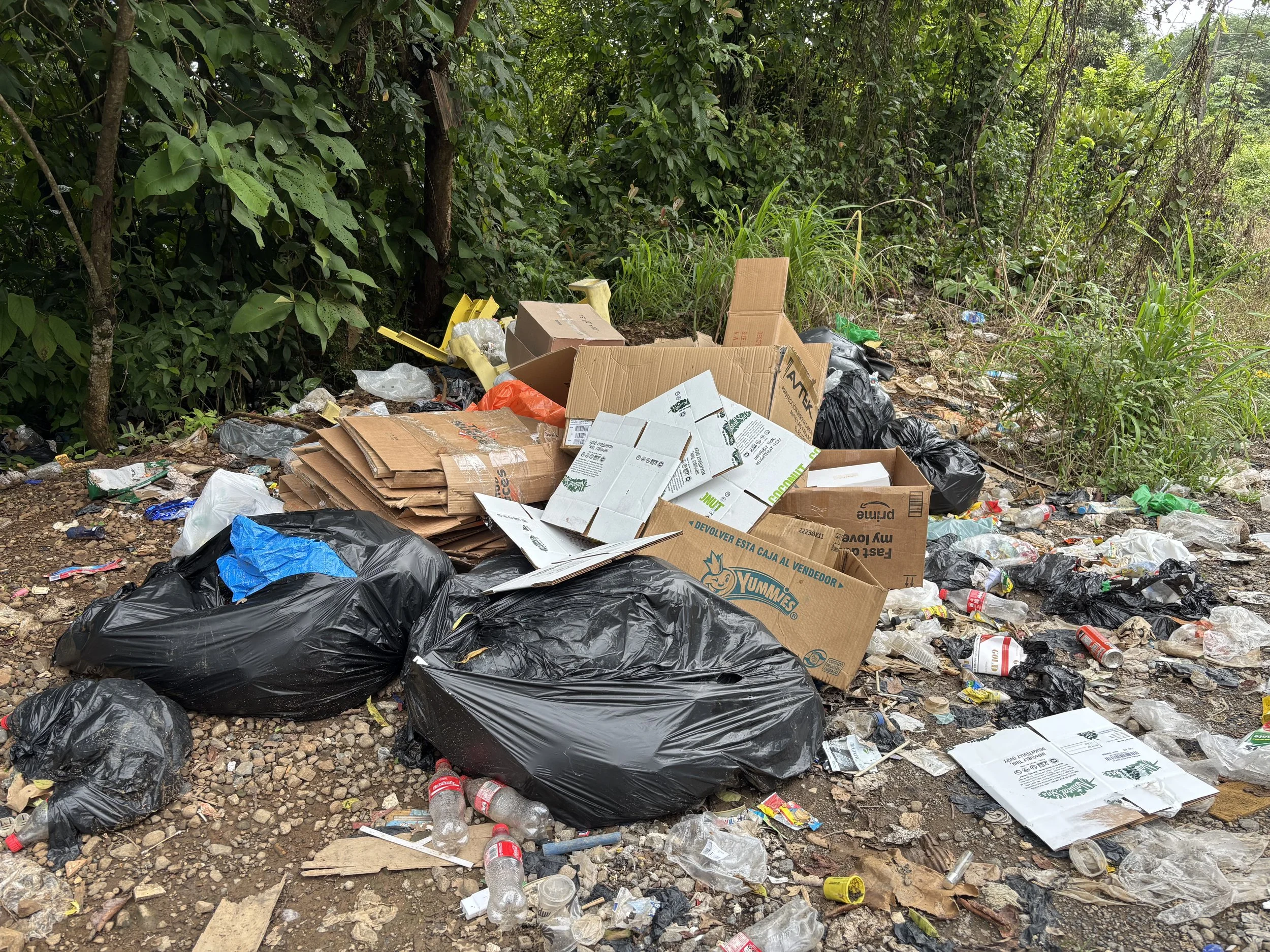
Right now garbage in the Santa Teresa & Cobano district areas is hauled 146 km roundtrip to Santa Cruz, forcing trucks to spend more time on the road than collecting waste. Each trip takes over 11 hours, consumes 180 liters of diesel, and causes frequent breakdowns, leaving some communities waiting weeks for trash pickup.
The result is garbage piling on the streets, unsanitary conditions, and damage to Santa Teresa’s reputation as a world-class destination, making waste management one of the district’s most urgent challenges.
The solution is to build a waste transfer station in Cóbano, modeled after a proven model in Tilaran, Costa Rica. Instead of each truck driving 146 km to Santa Cruz, local garbage trucks will unload at the station into large containers. A single semi-truck will then make fewer, more efficient trips to the dump.
This means faster and more reliable pickups, fewer breakdowns, lower costs, and cleaner streets across the district, creating the foundation for future composting and recycling initiatives.
This initiative is a large, multi-year effort, and requires coordination and collaboration with local stakeholders. Nicoya Peninsula Foundation is working closely with the MUNI and the Ministry of Health to get this project off the ground.